8 Dermatologist-Backed Ways to Reverse Sun-Damaged Skin
Years of sunny days, beach trips, and forgotten sunscreen reapplications eventually catch up with your skin — often in ways you don't notice until much later. Sun damage is sneaky. It builds up silently beneath the surface long before wrinkles, dark spots, or uneven texture show up in the mirror. The good news? Skin has a remarkable ability to bounce back with the right care. Here are eight dermatologist-approved ways to help repair and restore sun-damaged skin.

1. Make Antioxidants Non-Negotiable
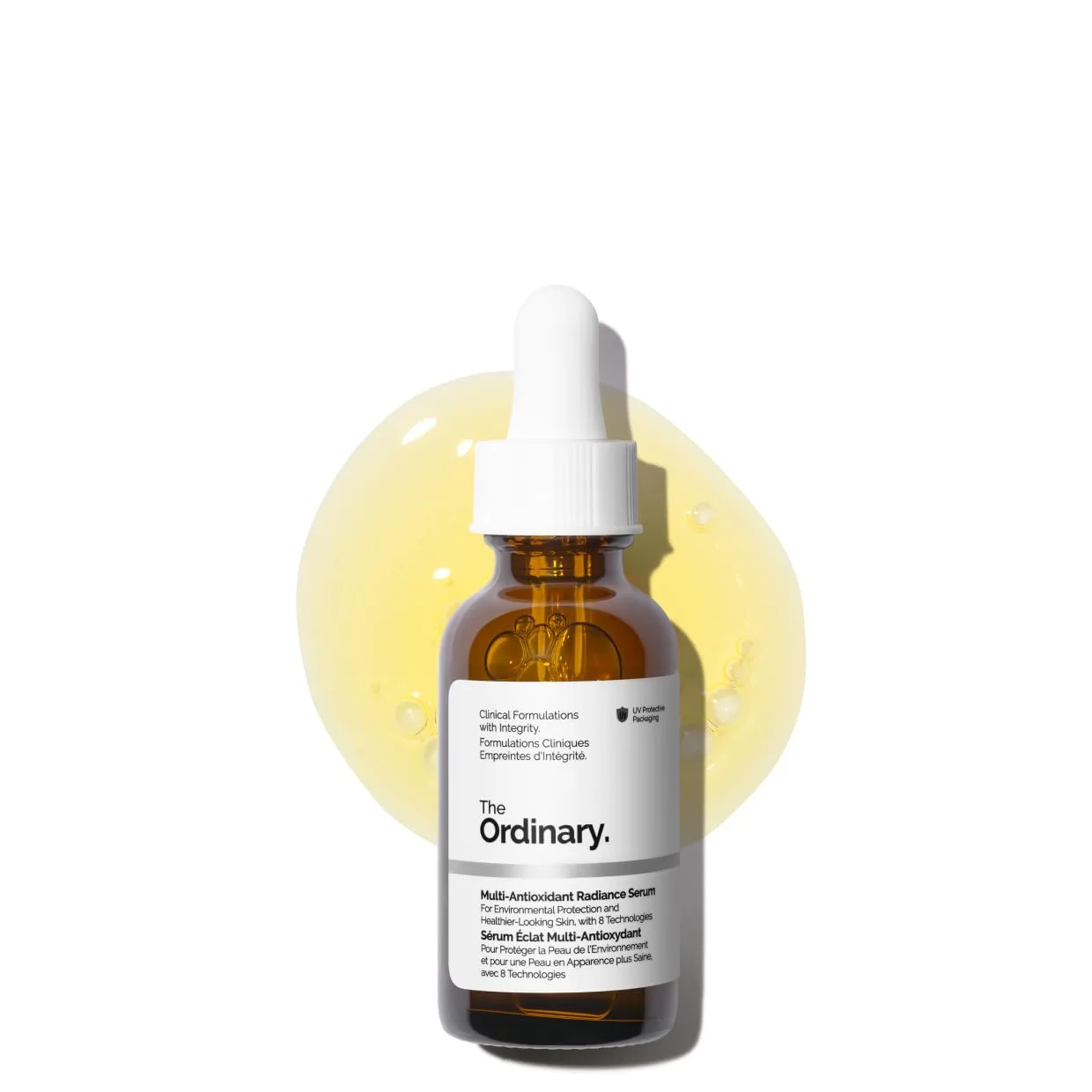
Vitamin C, vitamin E, and niacinamide are powerhouse ingredients that neutralize free radicals caused by UV exposure. Adding an antioxidant serum to your morning routine helps protect skin from further damage while brightening existing discoloration over time.
2. Never Skip Sunscreen — Even Indoors
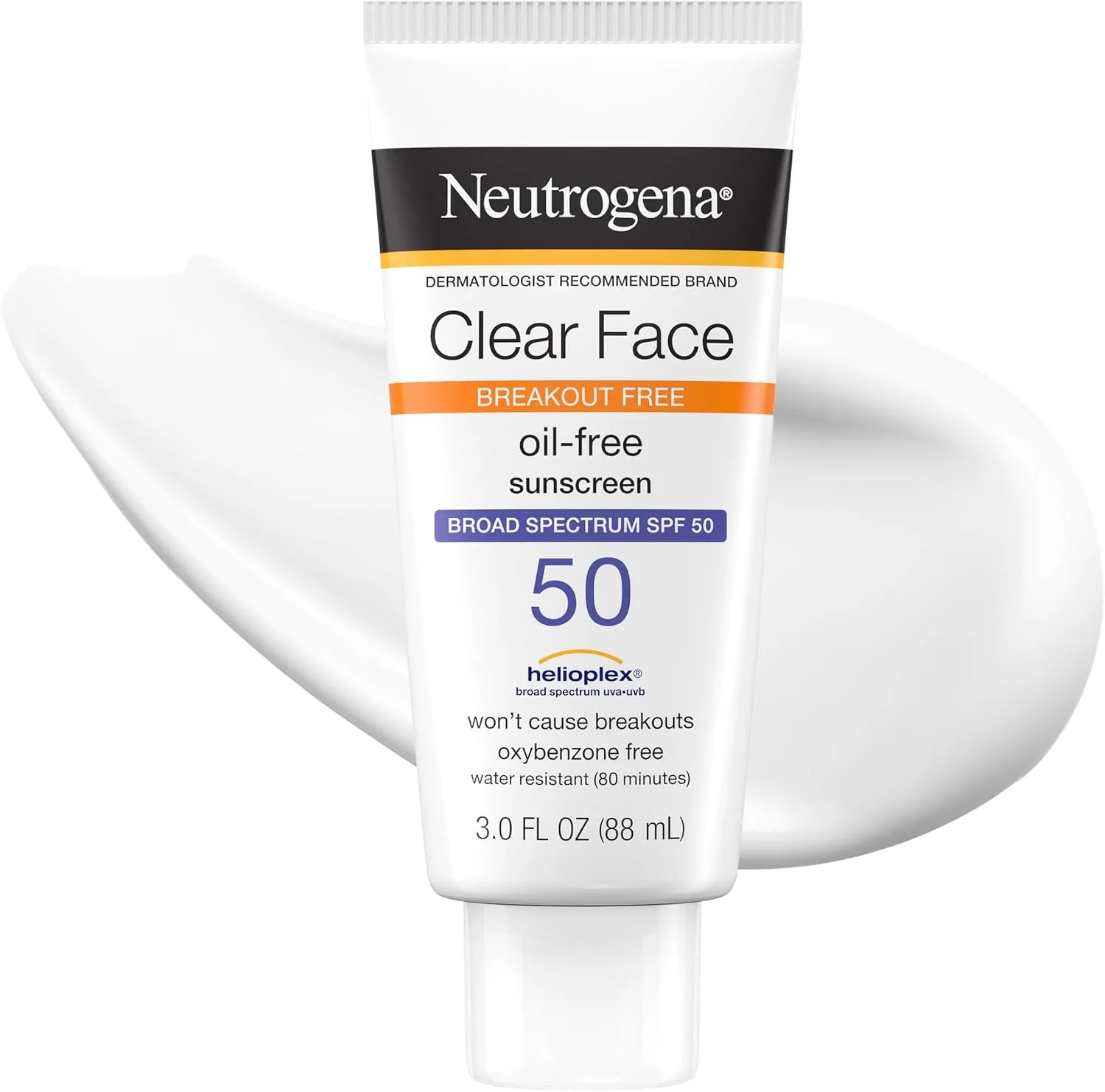
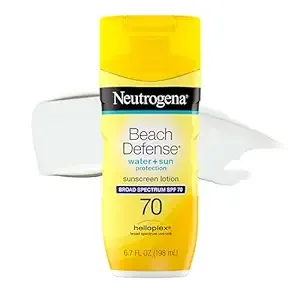
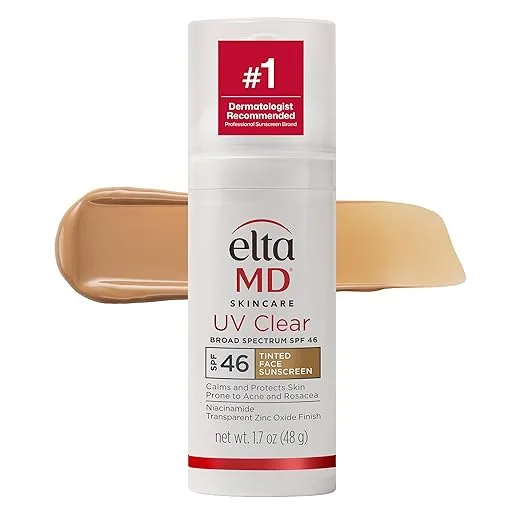
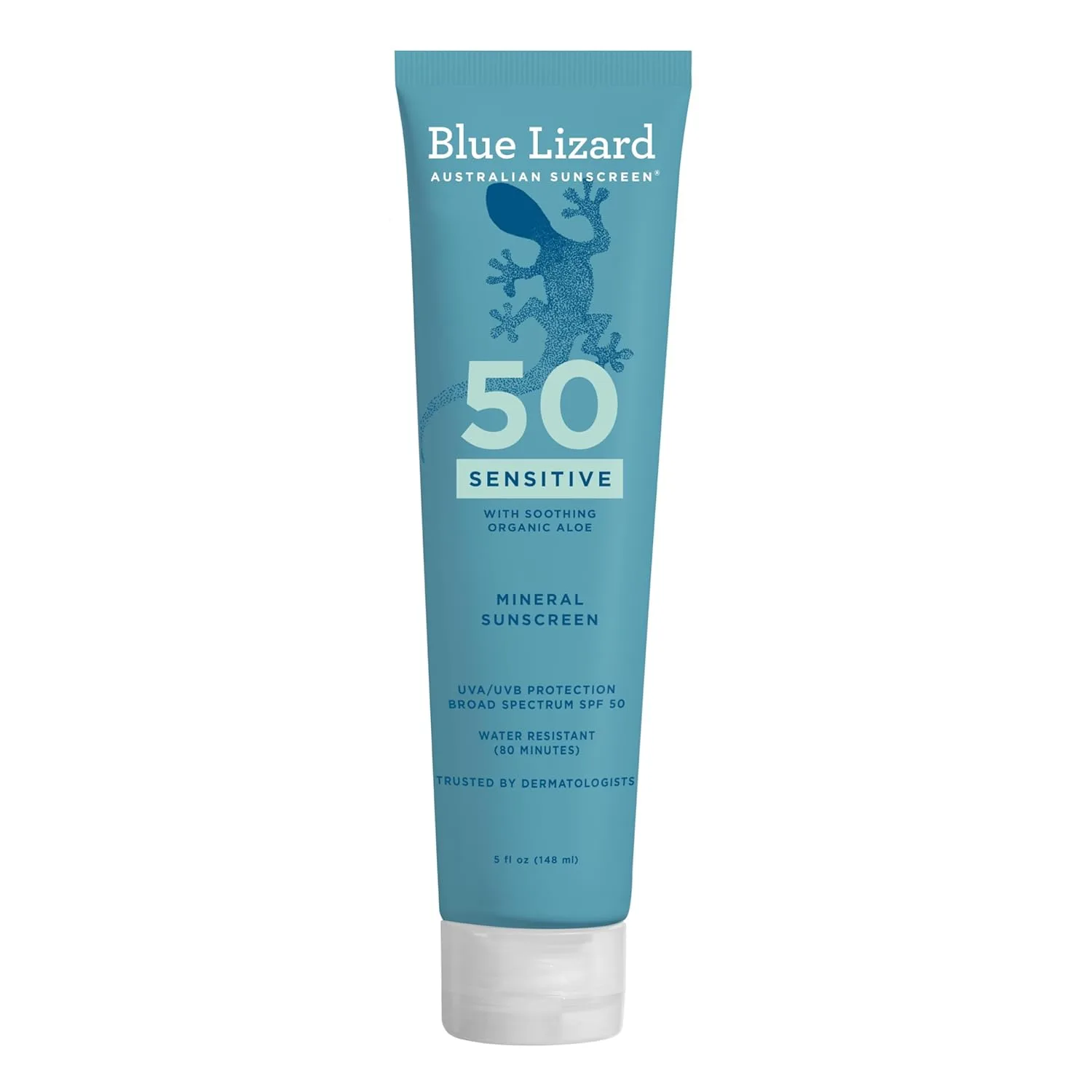
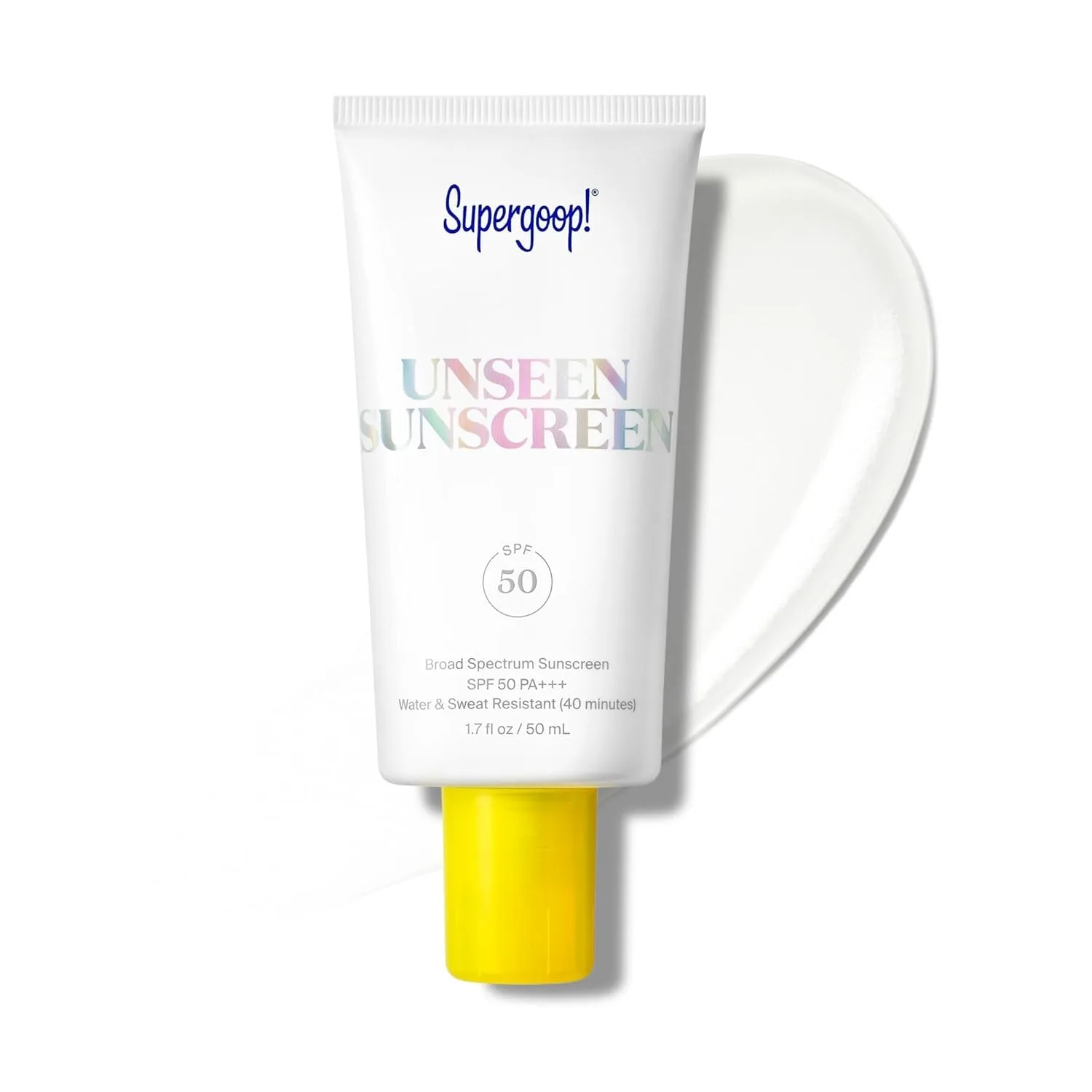
This might sound obvious, but consistent SPF use is the single most important step in halting further damage. UV rays penetrate windows and cloud cover alike, so a broad-spectrum sunscreen with at least SPF 30 should be a daily habit, rain or shine.
3. Incorporate Retinoids Into Your Routine
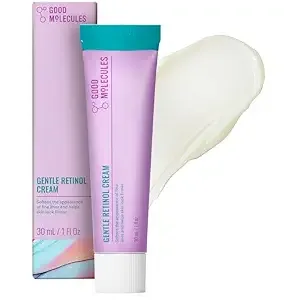
Retinoids are gold-standard ingredients for reversing visible aging. They speed up cell turnover, fade dark spots, and stimulate collagen production, gradually smoothing out fine lines and improving overall skin texture. Starting slow — a few nights a week — helps minimize irritation while your skin adjusts.
4. Try Chemical Exfoliants for Texture and Tone
Alpha and beta hydroxy acids gently slough away dulled, damaged surface cells, revealing fresher skin underneath. Regular use can noticeably improve rough patches, uneven pigmentation, and dullness that often accompany years of sun exposure.
5. Consider Professional Treatments
For deeper damage, in-office treatments like chemical peels, microneedling, or laser resurfacing can target pigmentation and texture issues more intensively than at-home products alone. These treatments work by encouraging the skin to repair and regenerate itself, often with visible results after just a few sessions.
6. Hydrate From the Inside Out
Sun-damaged skin often loses elasticity and moisture retention. Hyaluronic acid-based moisturizers help plump and hydrate skin, while drinking enough water throughout the day supports overall skin health from within. Well-hydrated skin also tends to show fine lines less prominently.
7. Don't Underestimate Peptides
Peptides work behind the scenes to support the skin's natural collagen and elastin production, which are often compromised by years of UV exposure. Incorporating a peptide-infused moisturizer or serum can help firm and strengthen skin over time, addressing that loss of elasticity that's a hallmark of sun damage.
8. Be Patient and Consistent
Unlike sunburn, which shows up almost immediately, cumulative sun damage takes time to both develop and reverse. Sticking with a consistent skincare routine — rather than jumping between products — gives active ingredients the time they need to actually work. Most visible improvements take several weeks to a few months, so patience truly pays off here.

The Takeaway
Sun damage may develop slowly and quietly, but that doesn't mean it's permanent. With a combination of protective habits, targeted ingredients, and professional treatments when needed, skin can rebuild much of its former resilience and glow. The key is starting today — whether that means finally committing to daily SPF or booking that first consultation with a dermatologist. Your future skin will thank you.